
STRUCTURAL STEEL FABRICATION
Structural steel fabrication
in Maharashtra.
Primary members, secondary steel, project-specific assemblies and erection information must stay coordinated from design and detailing through fabrication, dispatch and site execution.
DRAWING-TO-FABRICATION PROOF
Fabrication quality starts with controlled information.
Steel fabrication is not an isolated workshop activity. Drawing revision, member identity, connections, dispatch and erection context all have to stay aligned through the project.
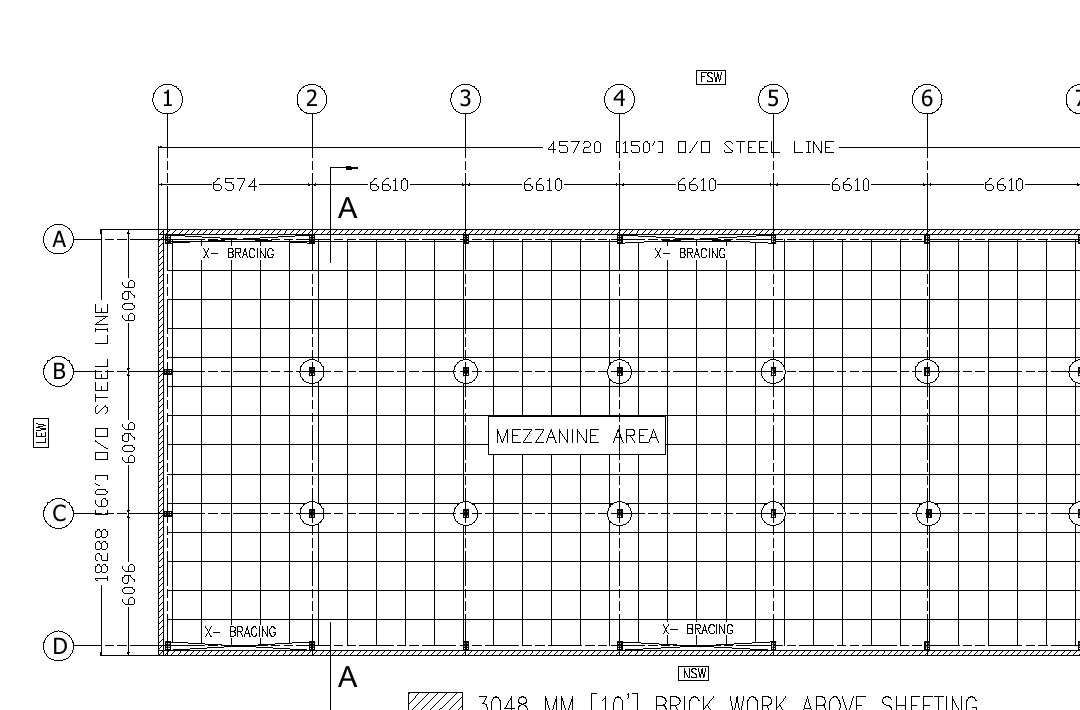
Anonymous engineering references illustrate planning details and are separate from the named project photographs.
SELECTED PROJECT EXPERIENCE
Steelwork in site context.
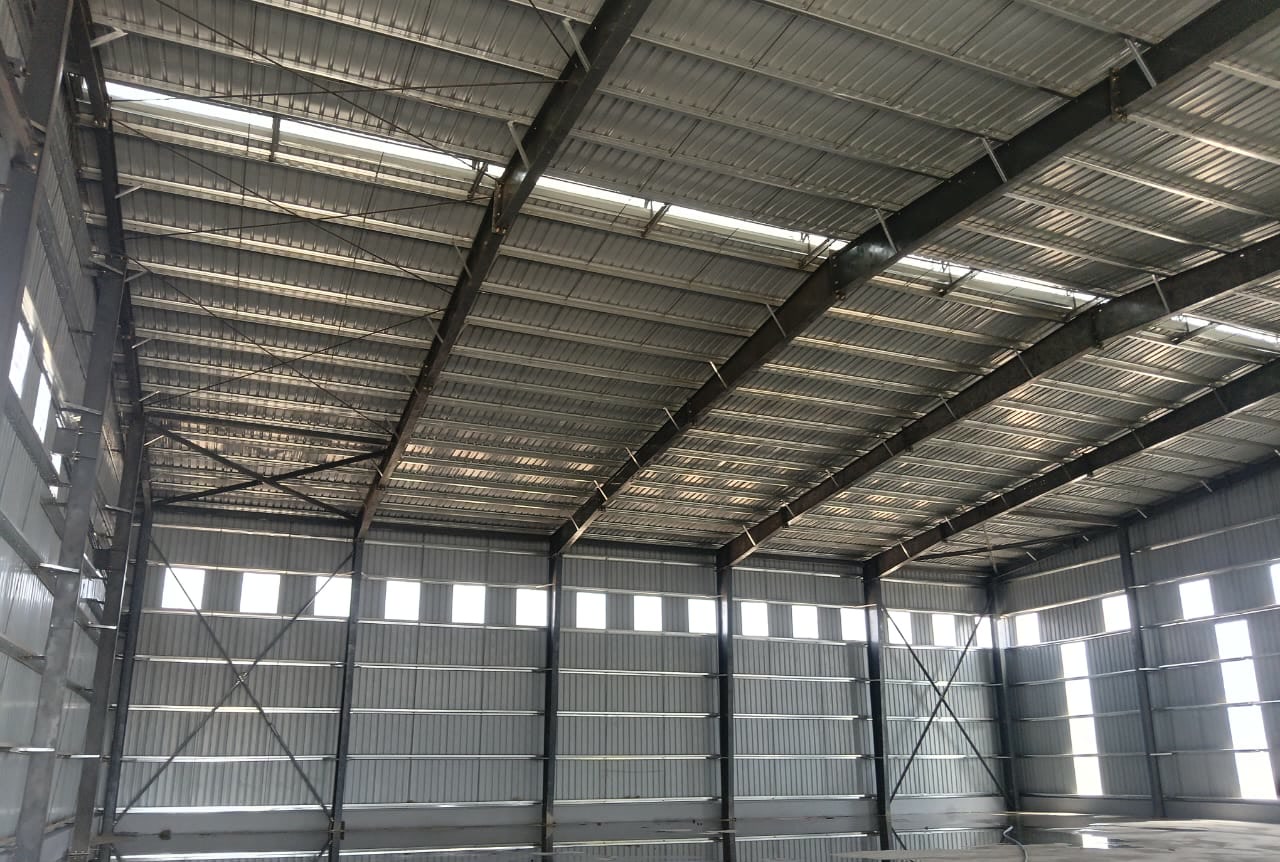
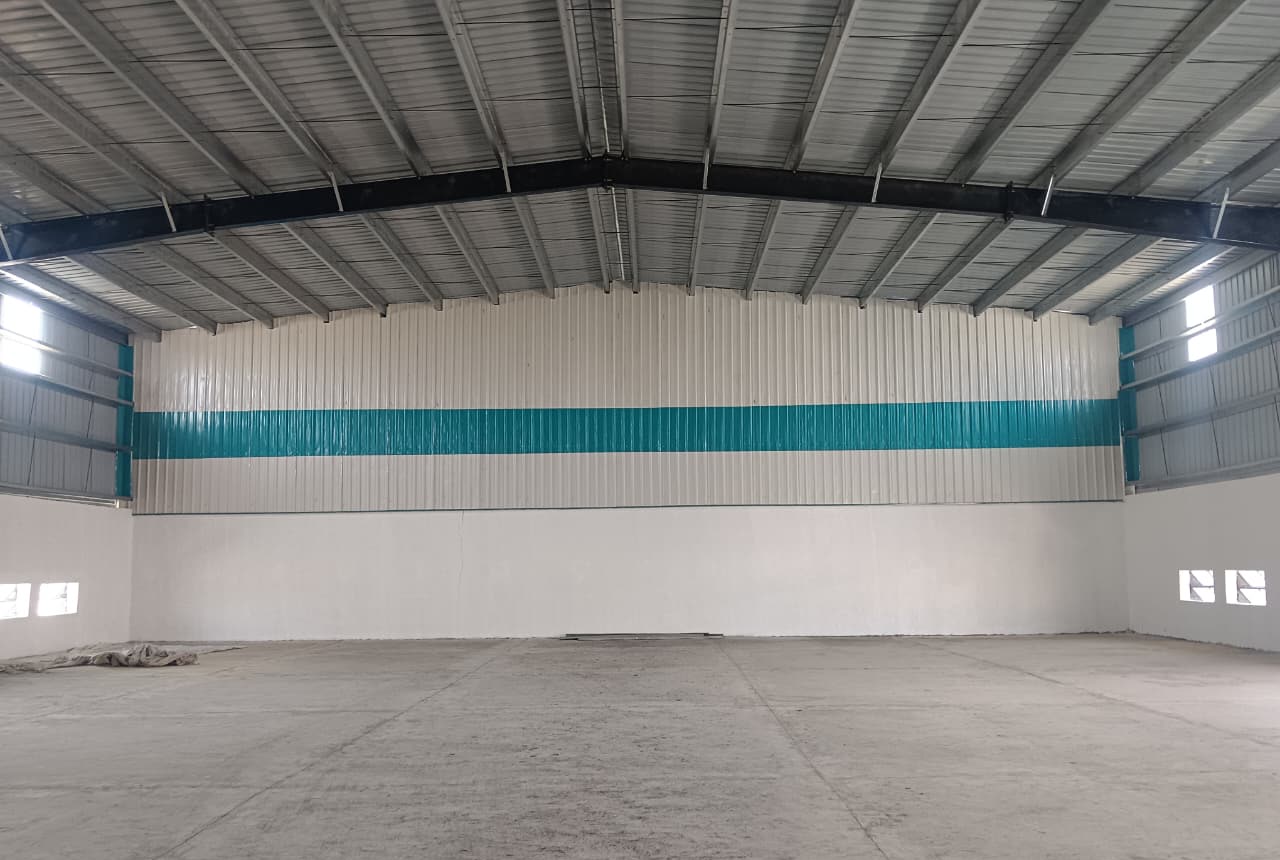
Verified erection photographs show the steel frames on site. They are not fabrication-shop evidence or proof of welding, material grade, member sizes or inspection results.
01 Industrial / Cotton
Vijay Laxmi Cotex
Jamner, Maharashtra
The open-sided industrial shed, from exposed structural frames to roof sheeting and fascia.
Erection → SheetingView case study02 Industrial Shed
Pratik Prakash Badgujar
Kusumba, Maharashtra
The Kusumba industrial shed, photographed during erection and later roof-and-wall sheeting.
Erection → SheetingView case studySee the frame, the envelope and the project behind the photograph.
Explore all project recordsFABRICATION SCOPE
Steelwork connected to the full building system.
Structural fabrication is most useful when geometry, interfaces, member identity and site sequence are coordinated before production.
Primary members
Project-specific main structural steel elements developed from the engineering and detailing package.
Secondary members
Purlins and related secondary systems coordinated with the main frame and building envelope.
Connections & assemblies
Member, plate and connection information organised for fabrication and site assembly.
Project identification
Clear member identification and drawing coordination support accurate dispatch and erection.
Envelope interfaces
Roofing, cladding, trims, gutters and openings coordinated around the structural frame.
Site erection support
Fabricated steel prepared as part of a connected requirement-to-erection workflow.
CONTROL POINTS
Good fabrication depends on controlled information.
Project-specific QA procedures depend on approved drawings, material and production requirements.
Fabrication should use the correct approved project information and revision.
Parts and assemblies need clear identification for production, dispatch and erection.
Primary, secondary and envelope interfaces should remain coordinated.
Erection requirements and verified site conditions should feed back into coordination where needed.
EVIDENCE-LED FABRICATION PLANNING
Carry the drawing context into fabrication decisions.
Technical project references are most useful when they explain the questions behind member coordination, bracing, canopies and envelope interfaces without presenting a named project or an unapproved result.
Frame context
Read plan and section information together so member identity follows the building arrangement and required interfaces.
Bracing and openings
Keep bracing, openings, canopies and envelope coordination visible before fabrication information is released.
Revision discipline
Use the approved project basis and current revision for fabrication, dispatch and erection coordination.
END-TO-END CONTEXT
Fabrication is one stage in a complete delivery journey.
- Requirement and geometry
- Engineering / structural concept
- Detailing
- Primary and secondary steel fabrication
- Roofing / cladding interfaces
- Supply and project logistics
- Site erection
- Civil coordination where in scope
Final fabrication details and acceptance criteria remain project-specific and subject to approved engineering information.
Discuss Fabrication RequirementDRAWING TO ERECTION
Keep the same project identity through fabrication and site assembly.
A controlled fabrication workflow reduces avoidable confusion between engineering information, member identity, dispatch and erection.
Approved revision
Start fabrication from the correct approved drawing and project information.
Member & assembly identity
Keep parts, assemblies and drawing references traceable through production and dispatch.
Fabrication & dispatch
Coordinate production sequence, project grouping and site delivery requirements.
Erection coordination
Carry the same member and drawing identity into site assembly and verified field feedback.
STRUCTURAL STEEL BUYER QUESTIONS
Fabrication quality starts before steel reaches production.
The most useful first discussion defines the engineering basis, drawing status, building use, interfaces and execution scope before fabrication is treated as a standalone activity.
What should be ready before fabrication?
Current approved project information, geometry, member and assembly identity, openings, bracing, interfaces and agreed erection requirements.
Can supply and erection be coordinated?
Depending on scope, fabrication can be connected to project grouping, dispatch, supply and site erection coordination.
Which industrial buildings are relevant?
Structural steel can support warehouses, factories, industrial sheds, crane-ready buildings and other engineered building requirements subject to project inputs.
Why does revision control matter?
Using the current approved information helps keep fabrication, dispatch and site assembly aligned to the same project basis.
Review engineering, drawing and 3D coordination → · Review the PEB building system →
TECHNICAL PROJECT CONTEXT
Connect structural steel decisions to the building brief.
Anonymised plan and framing references help explain how member coordination, bracing, canopies and envelope interfaces are considered before fabrication.
Review the anonymised industrial-building project experience →
NEED STRUCTURAL STEEL?
Share the building or fabrication requirement.
Start with drawings, application, dimensions, project location and required execution scope.
Shri Satiji operates from Chikhli, Dist. Buldhana. See the local operating base and industrial-building support context →
CITY-SPECIFIC STEEL CONTEXT
Connect fabrication planning to the actual industrial use and site.
For stronger manufacturing and steel-market context, review the city guidance before defining the project brief.
Nagpur structural-steel context → · Jalna structural-steel context → · All service areas →
NEXT PROJECT DECISIONS
Connect the requirement to the right evidence.
Continue with the application, planning guidance and available project stages before preparing the brief.